Artificial Intelligence is increasingly seen as objective, precise, and reliable. In many organizations, AI outputs are accepted without question—simply because they come from a machine. This growing blind trust in AI is one of the most overlooked risks of the digital age.
The Danger of Unquestioned Trust When we accept AI outputs without scrutiny, we create a dangerous precedent. AI systems reflect the data they were trained on — including its biases, gaps, and assumptions.
Trusting AI blindly means:
• Accepting biased outcomes as neutral • Ignoring edge cases and exceptions • Surrendering accountability to algorithms • Losing the ability to question decisions Why Oversight Is Non-Negotiable The solution is not to reject AI — but to maintain meaningful human oversight at every stage.
As explored in Why AI Needs Human Judgment More Than Ever, the capacity for moral reasoning and contextual understanding is uniquely human and must not be delegated to machines.
Oversight ensures that:
• Decisions remain accountable • Errors can be detected and corrected • Ethical standards are upheld • Human values guide AI behavior The Accountability Question When AI fails, who is responsible? If no human reviewed the decision, accountability vanishes entirely.
Blind trust creates blind spots — and blind spots create harm.
A Path Forward The future of AI depends not on how much we trust our systems, but on how wisely we verify them.
Human oversight is not a bottleneck. It is a safeguard.
Trust must be earned — by machines and humans alike.
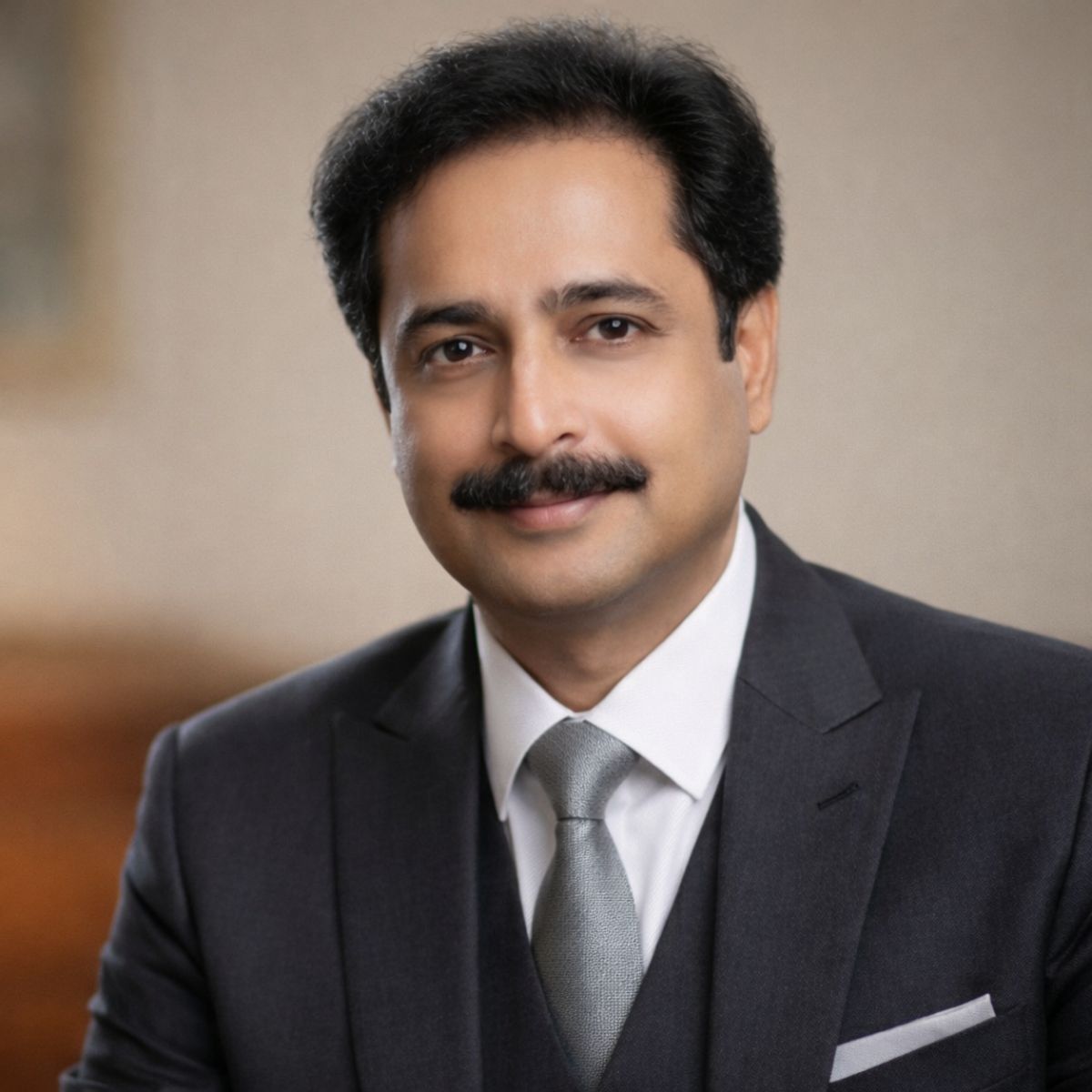
Zulfiqar Ali Solangi
Technology enthusiast and writer exploring the relationship between artificial intelligence and humanity. Through HumanOverAI, he shares insights on AI ethics, AI literacy, and the future of human-AI collaboration.