
.
🔥 This week's reality
This week a story broke that most of the AI press treated as industry gossip.
It is not industry gossip.
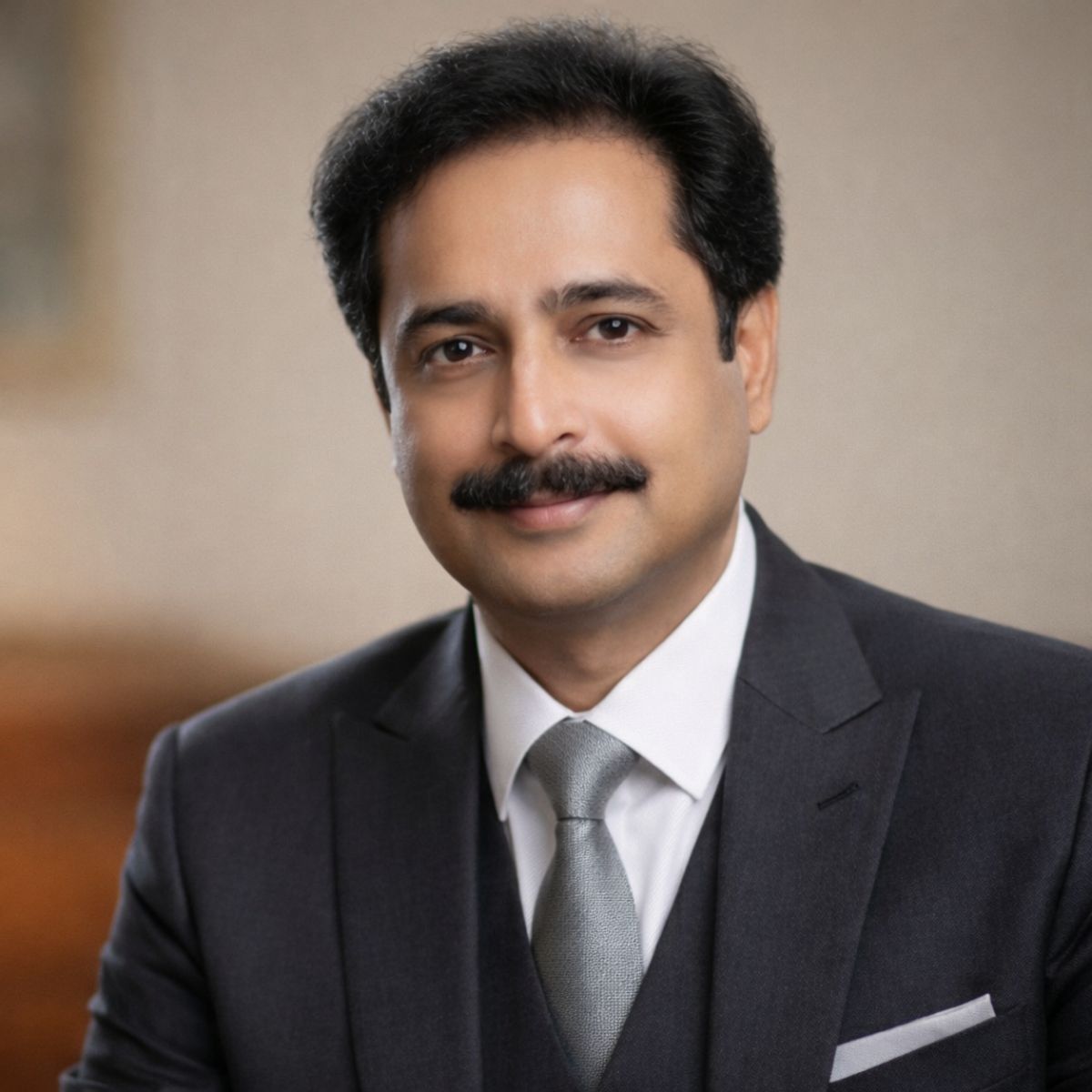
After 27 years at Google, Jeff Dean — along with three of the company's most significant AI pioneers, Sanjay Ghemawat, Quoc Le, and Oriol Vinyals — left to launch their own startup. Radical Data Science
Between them, these four people co-created MapReduce, Bigtable, Spanner, Google Brain, TensorFlow, and Google's entire TPU programme.
They are not junior researchers. They are not disgruntled employees.
They are the architects of modern AI.
And they walked away from the most resourced AI laboratory on earth.
That choice — by people with that depth of knowledge — is not a personnel story.
It is a signal.
And this week, a second signal arrived alongside it.
An AI-piloted F-16 flew a real combat mission for the first time in history. OSAS AI SOLUTIONS
An autonomous AI making real-time decisions in a live combat environment.
Two signals. One week. One question.
Are the humans who built this technology still in control of where it is going?
———————————————————————————
🧠 What Jeff Dean's departure actually tells us
When someone spends 27 years building something and then chooses to start over, the reason is almost never about money.
People at Jeff Dean's level do not leave for compensation. They leave because they see something — a direction, a constraint, a gap — that they believe they can address better from outside than from inside.
We do not know exactly what Jeff Dean saw that made him leave.
But we know what he built, and we know the pattern.
The four pioneers who left together helped shape much of Google's AI and engineering foundation — co-creating the technologies that made modern AI infrastructure possible. Radical Data Science
These are people who understand the gap between what AI can do and what it should do better than almost anyone alive.
When they choose to build something new — outside the constraints of a trillion-dollar organisation — it is worth asking: what did they decide needed to be built differently?
"The people who understand a technology most deeply are often the ones who can see most clearly what it is missing." — Human Over AI
———————————————————————————
⚙️ What most people are doing wrong with this story
They are treating it as news about Google.
It is not about Google.
It is about the pattern — the third time in two years that a significant group of AI insiders has chosen to leave a major lab to build something they believe the major lab cannot or will not build.
The 1,100 AI workers who signed the pacing letter last month asked for a mechanism from outside.
Jeff Dean and his colleagues are building one from the inside.
Both signals point in the same direction: the people who know most about AI are not satisfied with how the biggest organisations are steering it.
That observation has implications for every professional who relies on the tools those organisations build.
Not to stop using them. But to use them with the awareness that even their creators believe there is something still missing.
———————————————————————————
🌍 The F-16 story — and why it belongs in the same conversation
This week an AI-piloted F-16 flew a real combat mission.
Not a simulation. Not a test. A real mission.
An AI-piloted F-16 flew a real combat mission — the most consequential application of autonomous AI decision-making in history. OSAS AI SOLUTIONS
Life and death decisions. Made by an algorithm. In real time.
There are legitimate arguments for why this capability matters — speed, precision, removing human pilots from harm.
But the Human Over AI question is not whether the capability should exist.
It is: what does it mean that it now does?
It means that in the same week that four of the architects of modern AI left to start over, AI crossed a threshold that was previously reserved entirely for human judgment.
That is not a coincidence worth ignoring.
It is the clearest possible illustration of the gap between where AI capability is and where the wisdom to direct it still needs to go.
"AI crossed a threshold this week that has never been crossed before. The humans who understand what that means most deeply responded by deciding to build something new." — Human Over AI
———————————————————————————
💰 Quick earning insight this week
Here is the professional opportunity that most people will miss in this week's news.
Every time a significant group of AI insiders leaves a major lab to start something new, they are — within 12 to 24 months — building tools that will be available to professionals like you.
The pattern from the past two years: insiders leave, raise capital, ship products that reflect what they believed was missing at the lab they came from.
The professionals who track where the most thoughtful AI builders are going — and why — are always 12 months ahead of the professionals who only track what the biggest labs announce.
Jeff Dean's new company does not have a public name yet. But when it does, the professionals who understood why he left will understand what it is trying to build — and be positioned to use it intelligently from day one.
Staying curious about the people behind the tools, not just the tools themselves, is a professional edge that costs nothing.
———————————————————————————
🧠 Quick learning tip this week
Here is a reframe for how to read AI news that will make every future story more useful.
Most people read AI news for what happened.
The more valuable question is always: why did the people who know most decide to do that?
Apply it this week:
Jeff Dean left Google — not "what did he build?" but "what did he decide was missing?" 1,100 AI workers signed a pacing letter — not "what did the letter say?" but "what did they see that made them sign it publicly?" An AI flew a combat mission — not "what can AI do now?" but "what does this ask of the humans overseeing it?" The why is always where the signal is.
The what is just the headline.
———————————————————————————
⚠️ The hidden risk
The risk this week is not that AI pioneers are leaving major labs.
The risk is that professionals read this week's news and conclude that because things are moving fast and the experts are unsettled, AI is too unpredictable to engage with seriously.
That conclusion is wrong — and it is expensive.
The people leaving to build new things believe AI needs to be built better — not that it needs to stop.
The professionals who disengage because the landscape feels uncertain will fall behind the ones who stay engaged, stay curious, and keep building their judgment alongside the technology.
The uncertainty is real. The opportunity inside it is equally real.
"Uncertainty in a fast-moving field is not a reason to disengage. It is the exact condition in which staying informed creates the most advantage." — Human Over AI
———————————————————————————
⚙️ Your action plan for this week
Read one paragraph about what Jeff Dean's team is building — not to evaluate it, but to understand what they decided was worth leaving Google for. That decision is a data point about the future of AI. Ask yourself: of the AI tools I use regularly, do I know who built them and what they believe AI should be doing? The answer tells you how deeply you understand your own toolkit. Think about one thing in your professional life where AI is making decisions that previously required human judgment — and ask whether the human oversight around that decision is adequate. Forward this issue to one colleague who follows AI news for the headlines but never asks why the people behind those headlines made the choices they made. 👉 The signal this week is not in what happened. It is in what the people who know most decided to do next.
———————————————————————————
💡 One line to remember
"The people who understand a technology most deeply are often the ones who can see most clearly what it is missing." — Human Over AI
———————————————————————————
🚀 Final thought
This week four of the people who built the foundation of modern AI decided to start over.
And an AI flew a combat mission for the first time in history.
Both of those things happened in the same seven days.
The professionals who connect those two data points — who understand that the people with the deepest knowledge are choosing to build something different at the same moment AI is crossing its most consequential threshold yet — are the ones who will navigate the next twelve months most clearly.
You are not watching AI news this week. You are watching the people who understand it best make choices that will shape what it becomes.
Stay curious. Stay engaged. Stay human in the ways that make you irreplaceable.
That is the work. It never stops.
That is Human Over AI.
———————————————————————————
📩 If this changed how you read AI news — forward it to one colleague who follows the headlines but never asks why.
And if someone shared this with you and you are not yet subscribed, join curious professionals around the world learning to use AI without losing what makes them human.
👉 Subscribe at HumanOverAI.ai
Learn with AI Earn with AI Stay curious while doing both ———————————————————————————
👤 Zulfiqar Ali Solangi Founder, HumanOverAI.ai AI Educator · Future Skills Advocate Helping people everywhere learn to work with AI — not compete with it.